
Neurofeedback for traumatic brain injuries offers a non-invasive, drug-free solution to enhance recovery and improve cognitive function.
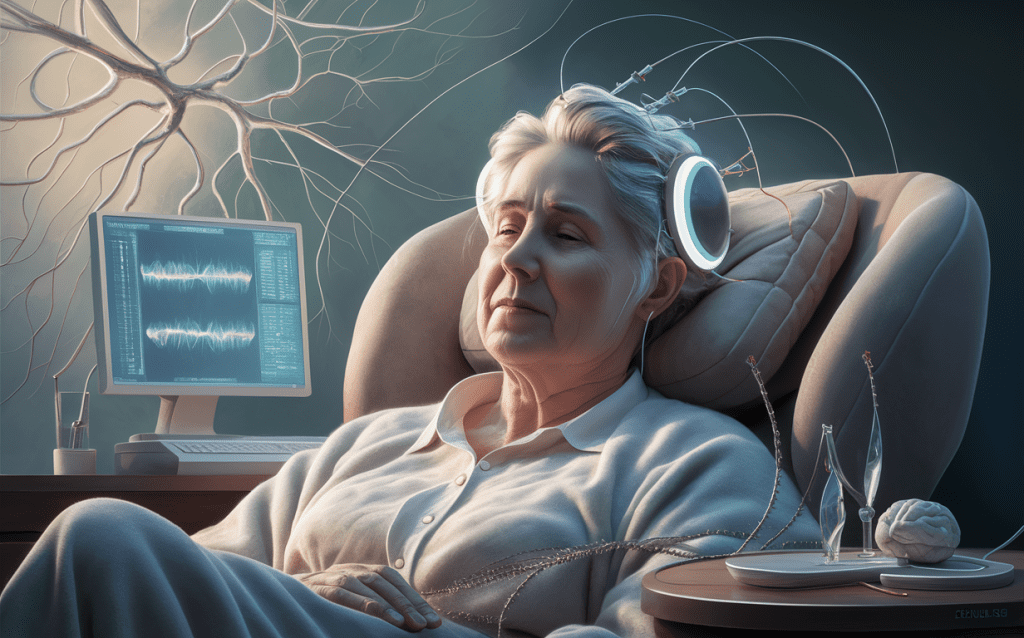
Neurofeedback for Traumatic Brain Injuries is a non-invasive, drug-free method that trains the brain to function more effectively. is an innovative, non-invasive therapy that offers hope for individuals suffering from traumatic brain injuries (TBIs). It works by retraining the brain to function more effectively, thereby alleviating symptoms and improving overall quality of life.
Neurofeedback for traumatic brain injuries occurs when an external force causes damage to the brain. This can result from falls, vehicle accidents, sports injuries, or violent assaults. TBIs range from mild concussions to severe brain damage, leading to long-term complications or even death.
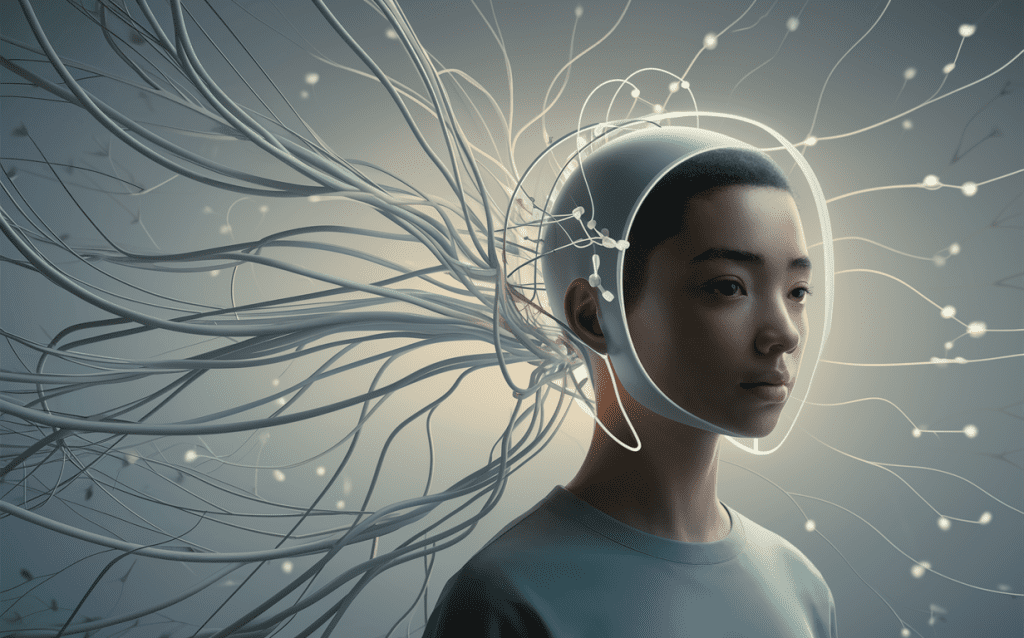
The symptoms of neurofeedback for traumatic brain injuries vary depending on the severity and location of the injury. Common symptoms include:
TBIs can lead to lasting impairments that affect an individual’s ability to live independently. Chronic symptoms can include:

The neurofeedback for traumatic brain injuries therapy involves monitoring real-time brain activity using electroencephalography (EEG) and providing immediate feedback to the patient. This feedback helps guide the brain toward healthier patterns of activity. The process is completely non-invasive and relies on the brain’s natural ability to adapt and reorganize itself, known as neuroplasticity.
Brainwaves represent the electrical activity in the brain. TBIs can disrupt normal brainwave patterns, leading to the various symptoms associated with the injury. Neurofeedback aims to correct these disruptions by encouraging the brain to produce optimal brainwave patterns.
Neurofeedback offers several benefits for individuals with TBIs:
Traditional treatments for TBIs often involve medications to manage symptoms like pain, anxiety, and depression. While effective, these medications can have side effects and do not address the root cause of the brain dysfunction.
Neurofeedback offers a drug-free alternative that directly targets the underlying brainwave abnormalities. This approach can lead to more sustainable improvements without the risk of side effects.
Comparison of Neurofeedback and Drug-Based Treatments
| Aspect | Neurofeedback | Drug-Based Treatments |
|---|---|---|
| Approach | Brainwave retraining | Symptom management |
| Invasiveness | Non-invasive | Varies (oral medications) |
| Side Effects | Minimal | Possible side effects |
| Sustainability | Long-term improvements | Short-term relief |
| Customization | Highly personalized | Generalized |

Before starting neurofeedback, patients undergo an initial assessment to map their brainwave activity. This baseline data helps tailor the therapy to their specific needs.
During neurofeedback sessions, patients engage in activities while receiving real-time feedback on their brainwave activity. The goal is to reinforce healthy brainwave patterns through positive reinforcement.
Regular assessments track progress and adjust the therapy as needed. This iterative approach ensures that the treatment remains effective over time.
Typical Neurofeedback Therapy Timeline
| Phase | Duration | Activities |
|---|---|---|
| Initial Assessment | 1-2 sessions | Brain mapping, baseline data collection |
| Training Sessions | 20-40 sessions | Real-time feedback, brainwave retraining |
| Progress Monitoring | Ongoing | Regular assessments, therapy adjustments |
Some patients may require ongoing maintenance sessions to sustain the benefits of neurofeedback. These sessions help reinforce healthy brainwave patterns and prevent relapse.
Yes, neurofeedback is a safe, non-invasive therapy with minimal risks. It does not involve medication or surgery, making it a low-risk option for treating TBIs.
Results vary depending on the severity of the TBI and individual factors. Some patients notice improvements within a few sessions, while others may require several months of therapy.
Neurofeedback is suitable for individuals of all ages who suffer from TBIs. It can be particularly beneficial for those who have not found relief through traditional treatments.
Yes, neurofeedback can complement other therapies, such as physical therapy, cognitive rehabilitation, and counseling, to provide a holistic approach to TBI recovery.
Studies indicate that neurofeedback can lead to significant improvements in 70-80% of TBI cases. These success rates make it a promising option for many individuals.
While the initial cost of neurofeedback may be higher than some traditional treatments, the long-term benefits and reduced need for medication can make it a cost-effective option.
Neurofeedback is becoming increasingly available, with many clinics offering this therapy. However, it’s essential to choose a reputable provider with experience in treating TBIs.
If you or a loved one suffers from a traumatic brain injury, consider exploring neurofeedback as a treatment option. Consult with a healthcare provider who specializes in neurofeedback to determine if this therapy is right for you.
In summary, neurofeedback represents a revolutionary approach to treating traumatic brain injuries. By leveraging the brain’s natural ability to reorganize and heal itself, neurofeedback offers a promising, drug-free alternative for those seeking long-term relief from the debilitating symptoms of Neurofeedback for traumatic brain injuries offers a non-invasive, drug-free solution to enhance recovery and improve cognitive function. Through patient testimonials, the potential of neurofeedback to transform lives is evident. If you’re looking for a holistic, non-invasive way to manage the effects of a TBI, neurofeedback may be the solution you’ve been searching for.
Neurofeedback for traumatic brain injuries offers a non-invasive, drug-free solution to enhance recovery and improve cognitive function. For more information on neurofeedback and other holistic therapies, visit Infinity Wellness Center or contact us to schedule an appointment.
