
Chiropractic care for scoliosis offers personalized, non-invasive treatments to alleviate pain and improve spinal health. Explore effective strategies!
Chiropractic care for scoliosis can significantly improve your quality of life by addressing spinal imbalances and reducing discomfort.

Chiropractic care for scoliosis is a medical condition where the spine curves sideways, often in an “S” or “C” shape. This curvature can result in discomfort, limited mobility, and even breathing difficulties if severe. It’s predominantly seen in adolescents, but adults can also develop scoliosis due to degenerative changes in the spine.
Chiropractic care for scoliosis involves non-invasive treatments to correct spinal misalignments and improve overall health. For scoliosis, chiropractors utilize spinal adjustments, physical therapy, and lifestyle recommendations to manage symptoms and enhance the patient’s well-being.

Spinal adjustments aim to realign the vertebrae, reducing the curvature and relieving pressure on the nerves. These adjustments can restore proper posture and alleviate pain.
Chiropractors often recommend specific exercises to strengthen the muscles supporting the spine. These exercises can improve flexibility, stability, and muscle tone, making it easier to manage scoliosis.
Proper nutrition is essential for spinal health. Chiropractors may suggest dietary changes and supplements to support bone and muscle health, aiding in the management of scoliosis.
Emily, a 14-year-old with idiopathic scoliosis, started chiropractic treatment to manage her 25-degree spinal curve. After six months of regular adjustments and a tailored exercise program, her curvature reduced to 18 degrees. Emily reported reduced pain and increased participation in physical activities.
John, a 60-year-old with degenerative scoliosis, experienced chronic back pain and limited mobility. Through chiropractic care, including spinal adjustments and nutritional counseling, John’s pain decreased, and his mobility improved significantly.
Chiropractic adjustments can alleviate the nerve pressure caused by spinal misalignments, providing significant pain relief.
Regular treatments can enhance spinal flexibility and muscle strength, improving overall functionality and quality of life.
Chiropractic care offers a non-surgical alternative for managing scoliosis, making it a safer option for many patients.
Chiropractors create customized treatment plans based on individual needs, ensuring that each patient receives the most effective care.

| Treatment Type | Invasiveness | Pain Relief | Cost | Success Rate |
|---|---|---|---|---|
| Chiropractic Care | Non-Invasive | High | Moderate | High |
| Physical Therapy | Non-Invasive | Moderate | Moderate | Moderate |
| Bracing | Non-Invasive | Moderate | High | Moderate |
| Surgical Intervention | Invasive | Very High | Very High | Very High |
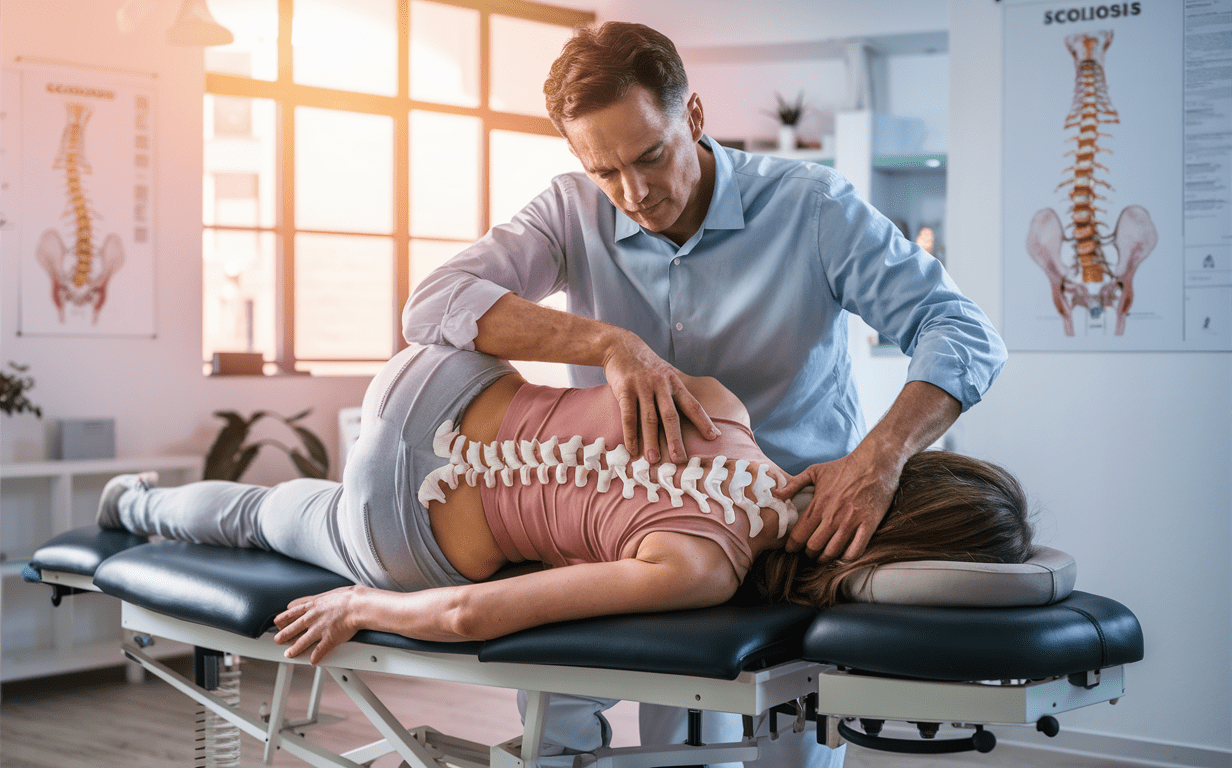
During the first visit, the chiropractor will conduct a thorough examination, including x-rays, to assess the severity of the scoliosis.
Based on the diagnosis, a series of spinal adjustments will be scheduled. These sessions aim to reduce the curvature and relieve nerve pressure.
Patients will receive a customized exercise routine to perform at home. These exercises are designed to strengthen the back muscles and improve spinal alignment.

Regular follow-up appointments are crucial to monitor the spine’s progress and make necessary adjustments to the treatment plan.
Chiropractors may recommend dietary changes or supplements to support spinal health. Nutrients like calcium, vitamin D, and magnesium are essential for bone health.
| Supplement | Benefits | Recommended Dosage |
|---|---|---|
| Calcium | Strengthens bones | 1000-1300 mg/day |
| Vitamin D | Enhances calcium absorption | 600-800 IU/day |
| Magnesium | Supports muscle and nerve function | 320-420 mg/day |
| Omega-3 Fatty Acids | Reduces inflammation | 1000 mg/day |
Chiropractic care for scoliosis offers a non-invasive, personalized approach to managing this spinal condition. By focusing on spinal adjustments, exercise, and nutritional guidance, chiropractic treatment can relieve pain, improve functionality, and enhance the quality of life for scoliosis patients. Real-life experiences and testimonials highlight the potential benefits of this holistic treatment option. If you or a loved one is struggling with scoliosis, consider consulting a chiropractor to explore tailored treatment plans that can make a significant difference in managing the condition effectively. Chiropractic care for scoliosis offers personalized, non-invasive treatments to alleviate pain and improve spinal health. Explore effective strategies! Contact us today to schedule a consultation and start your journey toward better health and wellness.
