
Discover how chiropractic treatment for pain management offers effective, drug-free relief. Learn about spinal adjustments, conditions treated
Chiropractic treatment for pain management provides a safe, natural approach to managing various types of acute and chronic pain. By focusing on the proper alignment of the spine and musculoskeletal system, chiropractic care can relieve pain, improve mobility, and promote overall wellness without relying on medication or surgery.
This drug-free, holistic treatment offers an effective solution for many people suffering from back pain, neck pain, headaches, and other painful conditions.
Key Takeaways:

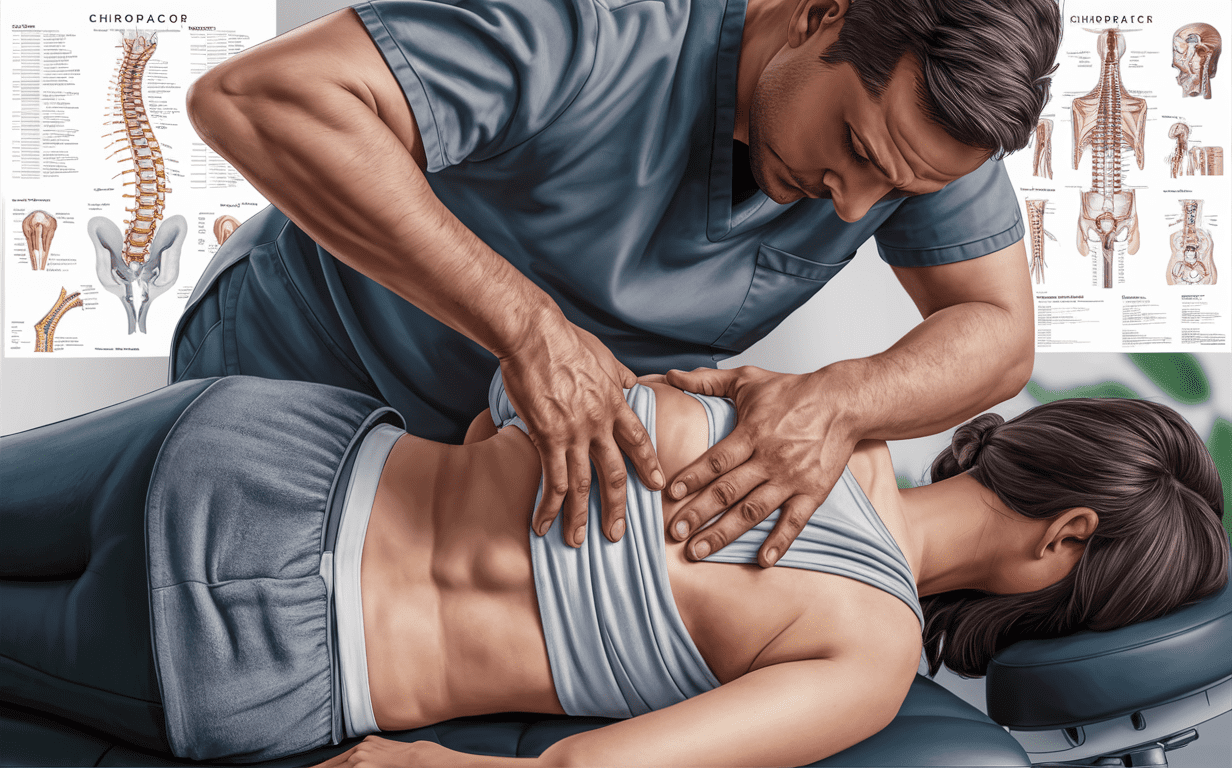
The core of chiropractic treatment for pain management is spinal adjustment or manipulation. Chiropractors use their hands or special instruments to apply controlled force to spinal joints that are misaligned or not moving properly. By restoring proper alignment and mobility to the spine, chiropractic adjustments relieve pressure on spinal nerves that can cause pain, tingling, numbness, muscle weakness, and other symptoms.
In addition to spinal manipulation, chiropractors use various techniques to treat painful conditions:
By combining these therapies, chiropractic offers a well-rounded, multidisciplinary approach to pain management. Treatment addresses both spinal alignment issues and soft tissue dysfunctions that commonly occur together.

Back pain is one of the most common reasons people seek chiropractic care. Low back pain affects up to 80% of adults at some point and is a leading cause of missed work days and disability. Chiropractic treatment is considered a first-line therapy for acute and chronic back pain. Research shows that spinal manipulation is effective in reducing back pain intensity and improving function.
Neck pain is another frequent complaint treated by chiropractors. Poor posture, muscle strain, whiplash injuries, and age-related wear and tear can all cause neck pain and stiffness. Chiropractic neck adjustments, combined with stretching and strengthening exercises, help restore normal joint motion and relax tight neck muscles.
Chiropractic care is also a popular treatment for tension headaches and migraine. Spinal misalignments and muscle tension in the neck and upper back can cause or worsen headache pain. chiropractic treatment for pain management aimed at these areas, along with soft tissue work and lifestyle changes, can significantly reduce headache frequency and intensity.
Other painful conditions commonly treated by chiropractors include:
| Condition | Prevalence | Chiropractic Effectiveness |
|---|---|---|
| Low back pain | 60-80% of adults | High |
| Neck pain | 20-70% of adults | High |
| Headache | 50%+ of adults | Moderate to High |
| Shoulder pain | 18-26% of adults | Moderate |
Chiropractic treatment offers several advantages as a pain management approach:
Numerous research studies support the benefits of chiropractic care for various painful conditions. A 2017 systematic review concluded that spinal manipulation produces similar improvements in pain and function compared to other active treatments for chronic low back pain. For neck pain, a 2021 review found that cervical spine manipulation provides better short-term pain relief than medication or physical therapy.

At the initial visit, the chiropractor will take a detailed health history and ask about the location, nature, and duration of your pain. A physical exam will assess spinal alignment, joint motion, muscle tone and strength, reflexes, and other neurological signs. X-rays or other diagnostic imaging may be ordered if needed.
Based on this evaluation, the chiropractor will develop an individualized treatment plan. Most plans include a series of office visits for spinal adjustments and any additional therapies. The frequency of treatment varies depending on the severity and chronicity of the pain condition. Acute pain may require 2-3 visits per week initially, while chronic pain is often treated once a week or every other week.
During a typical visit, the patient lies on a special treatment table. The chiropractor uses their hands to apply quick, controlled force to the affected joint, usually producing a popping sound. This sound is caused by a change in pressure within the joint and is not a cause for concern. The adjustment itself is not usually painful, although some temporary soreness afterward is common.
In addition to manual adjustments, the chiropractor may use instrument-assisted manipulation, drop table techniques, and flexion-distraction therapy. Soft tissue treatments like trigger point therapy, myofascial release, and therapeutic massage are also commonly incorporated.
Patients are given instructions for home care, including ice or heat application, specific exercises and stretches, and activity modification. Following the recommended home care practices is essential for achieving long-term pain relief and functional improvements.

Chiropractic treatment for pain management plans is tailored to each patient’s individual needs and goals. However, most plans include three main phases:
Progress is monitored at each visit and the treatment plan is adjusted as needed. Patients are encouraged to take an active role in their care by following home recommendations and communicating any changes in symptoms.
| Treatment Phase | Visit Frequency | Goals |
|---|---|---|
| Pain Relief | 2-3x per week | Relieve acute pain and inflammation |
| Corrective Care | 1-2x per week | Correct underlying issues and restore function |
| Maintenance Care | 1x per month or quarter | Maintain pain relief and prevent recurrence |
While individual results vary, most patients experience significant pain reduction within the first few weeks of chiropractic treatment. A 2020 study found that adults with musculoskeletal pain reported an average 55.9% decrease in pain intensity after 5 chiropractic visits.
Chiropractic treatment for pain management offers a safe, effective, and drug-free approach to pain management. By restoring proper spinal alignment, improving joint function, and addressing soft tissue issues, chiropractic treatment gets to the root of many common pain conditions.
Whether you are dealing with chronic low back pain, recurring headaches, or an acute injury, visiting a chiropractor can provide much-needed relief and start you on the path to better overall health and function.
If pain is impacting your quality of life, consider scheduling a consultation with a licensed chiropractor. With a personalized treatment plan and a commitment to self-care, you can find lasting relief and get back to the activities you love
