
Neurofeedback for autism represents a breakthrough therapeutic approach that harnesses real-time brainwave monitoring to enhance cognitive function and emotional regulation in individuals across the autism spectrum. Through sophisticated electroencephalography (EEG) technology, this innovative treatment modality empowers patients to develop greater self-control, improved concentration, and enhanced social connectivity. Rather than relying solely on conventional autism therapies, neurofeedback opens new possibilities for understanding and modulating neural patterns. This comprehensive exploration reveals how this transformative therapy works, examines its profound benefits, and demonstrates its life-changing potential for families seeking innovative support pathways.

Neurofeedback is a special type of therapy that helps people train their brains. It uses something called electroencephalography (EEG) to measure brain activity. Imagine playing a video game where you control the character with your thoughts. That’s a bit like what neurofeedback does! By watching their brain waves on a screen, people can learn how to change their brain activity to feel better and focus more. This therapy can be especially helpful for kids with autism.
Autism spectrum disorder (ASD) is a condition that affects how a person thinks, learns, and interacts with others. Some common challenges for kids with autism include difficulties in social skills, trouble with communication, and sensory processing issues. These challenges can make it hard for them to make friends or express their feelings. For example, a child with autism might prefer to play alone, find loud sounds overwhelming, or struggle to understand jokes. However, every person with autism is unique and may have different strengths and weaknesses.
So, how does neurofeedback help kids with autism? This therapy aims to improve brain function by teaching individuals how to control their brain waves. When kids learn to manage their brain activity, they can become better at self-regulation. This means they can handle their emotions and reactions more smoothly.
For instance, if a child feels anxious in a crowded room, neurofeedback can help them learn to calm their brain down. This might lead to less anxiety and better emotional regulation. Some studies show that kids who use neurofeedback may also improve their social interactions and communication skills.
Imagine a child learning to ride a bike. At first, it’s tricky, but with practice, they get better and better. Neurofeedback works in a similar way. With practice and support, children with autism can develop new skills and feel more confident in their everyday lives.
In summary, neurofeedback is a promising therapy for kids with autism, helping them improve their brain function and work through challenges related to their condition. It offers hope and new ways to experience personal growth and connection with others.
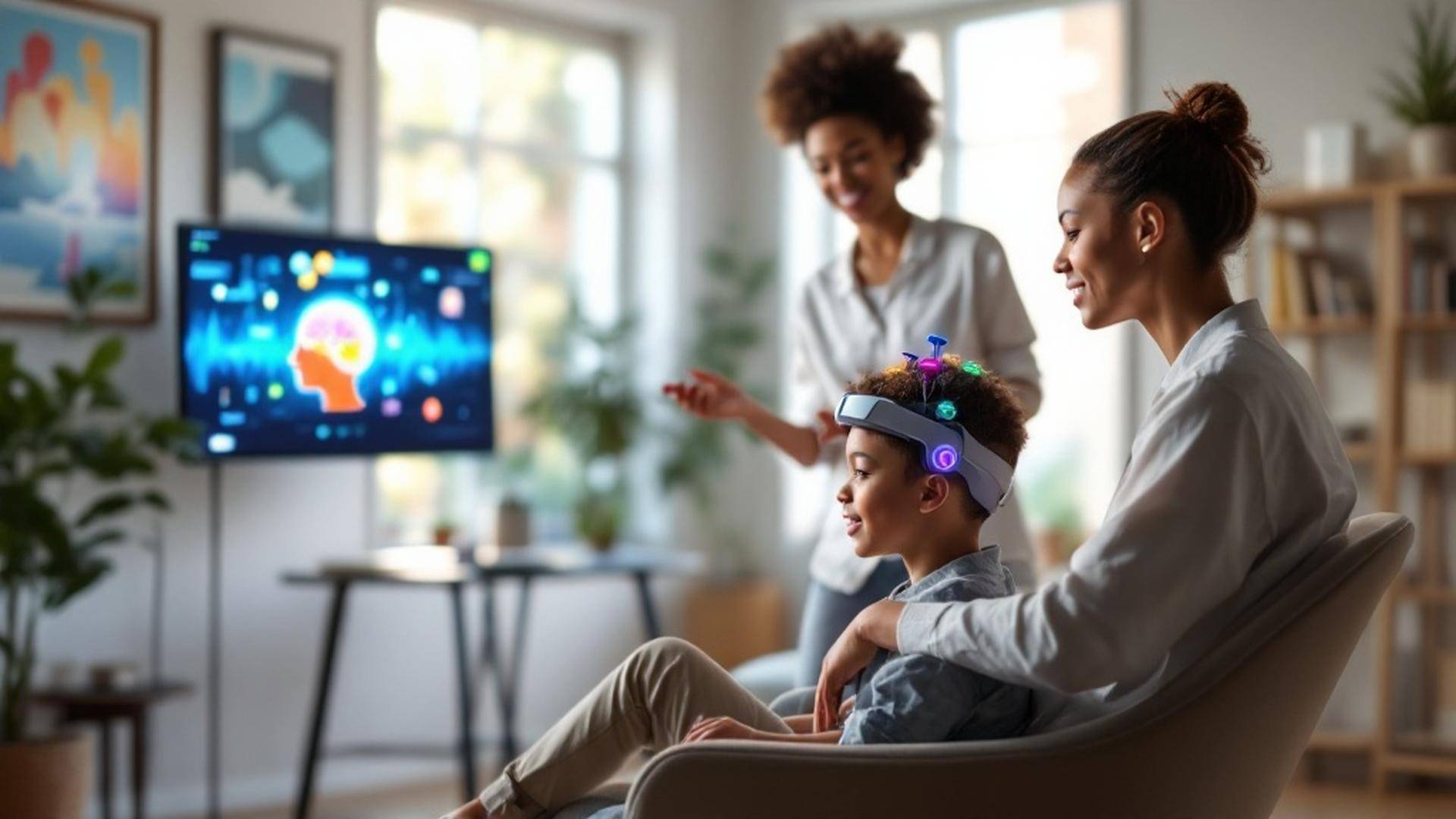
Neurofeedback is like a special kind of training for your brain. Imagine your brain is a musical instrument. Just like a guitar can be tuned to play beautiful music, our brains can be trained to work better! This therapy helps people learn how to control their own brain waves, which are the electrical signals our brains send out.
Scientists use a method called electroencephalography (EEG) to watch these brain waves. Think of it as a movie that shows how your brain is working. When someone is using neurofeedback, they can see their brain waves on a screen. If the waves are not in harmony, they get gentle feedback, like a friendly coach cheering them on to stay focused. This way, they can learn to change their brain activity, much like training for a sport!
For people on the autistic spectrum, neurofeedback can be very helpful. It’s like giving them a toolkit to manage their feelings and reactions better. Many individuals with autism experience challenges with social skills, emotional regulation, and attention span. Through neurofeedback, they can improve their ability to focus and feel more relaxed.
Imagine a child who finds it hard to join in games with friends. With neurofeedback, they can train their brains to be more calm and aware, helping them join in and have fun. This therapy can also boost their self-regulation skills, making it easier for them to handle big emotions or changes in their routine.
By practicing neurofeedback, individuals can see positive changes in their daily lives. They may find it easier to communicate with others and feel more confident in their interactions. Over time, these small changes can lead to big improvements, creating a happier and more engaged life.

Neurofeedback is a type of brain training that helps individuals learn how to self-regulate their thoughts and feelings. For autistic individuals, this can be a game changer. Imagine a child who often feels overwhelmed in noisy places. With neurofeedback, they can learn to calm their brain waves and manage their reactions better.
In one case, a young boy named Jake used neurofeedback therapy. After several sessions, he reported feeling less anxious and more in control when faced with loud environments. His parents noticed he could stay focused during family outings instead of becoming upset. This kind of self-regulation is essential for many autistic individuals, helping them navigate daily challenges with greater ease.
Another amazing benefit of neurofeedback is its role in developing social skills. Many autistic individuals struggle with making friends and understanding social cues. Through targeted neurofeedback training, they can improve their emotional regulation and respond better in social situations.
Take Sarah, for example. After participating in a neurofeedback program, she found it easier to engage in conversations and share her thoughts with her peers. Her social interactions improved, leading to meaningful friendships. These positive changes show how neurofeedback can open doors to better communication skills and deeper connections with others.
Neurofeedback doesn’t just help with feelings and social interactions; it can also boost cognitive abilities. By training the brain, individuals may experience improvements in attention span, executive function, and even cognitive flexibility. This means they can think more clearly and adapt to new situations more easily.
For example, a teen with autism struggled with completing homework due to distractions. After undergoing neurofeedback sessions, he found it easier to concentrate and finish his assignments on time. This boost in cognitive enhancement shows the potential of neurofeedback to support academic success and personal growth.
One of the most exciting aspects of neurofeedback is its link to neuroplasticity, the brain’s ability to change and adapt. This means that with consistent training, individuals can create new neural pathways, leading to lasting improvements in their behavior and skills.
Studies have shown that neurofeedback can lead to real changes in brain function, allowing autistic individuals to achieve better outcomes over time. This potential for change gives hope to many families seeking effective interventions for their loved ones.
In summary, the benefits of neurofeedback for autistic individuals are significant. From improving self-regulation and emotional control to enhancing social skills and cognitive abilities, neurofeedback offers a pathway to positive change. With real-life success stories and an exciting connection to neuroplasticity, this therapy holds promise for many seeking to navigate the challenges of autism.

Many people have questions about neurofeedback and how it works, especially when it comes to helping children with autism. One common misconception is that neurofeedback is just another fancy term for relaxation or meditation. However, it involves electroencephalography (EEG), which measures brain waves in real-time. This means it’s more than just calming down; it’s about training the brain to improve its functionality.
Some worry about safety. It’s important to know that neurofeedback is considered safe when done by trained professionals. Clinical studies show that it can help with issues like self-regulation and emotional regulation in children on the autistic spectrum. Just like how sports training helps athletes improve their skills, neurofeedback aims to enhance brain performance.
When comparing neurofeedback therapy to other popular options like cognitive behavioral therapy (CBT) and traditional behavioral therapy, it’s essential to recognize the unique benefits of each approach. Cognitive behavioral therapy focuses on changing negative thought patterns, while behavioral therapy often uses rewards to encourage positive behaviors. In contrast, neurofeedback works directly with the brain’s activity, helping improve attention span, emotional intelligence, and even social skills.
The key here is that neurofeedback offers a different method of support. It can complement other therapies, making it easier for kids to engage with the world around them. For example, a child receiving neurofeedback may find it easier to apply what they learn in cognitive behavioral therapy or respond positively to behavioral interventions.
When considering any treatment, it’s crucial to look at the evidence. Neurofeedback isn’t just a trendy new approach; it’s supported by clinical studies that highlight its effectiveness. Research shows that many children with autism experience meaningful improvement in their abilities after undergoing neurofeedback training. This includes better social interactions and enhanced communication skills.
So, when someone says that neurofeedback lacks validity, remind them that like any good therapy, it relies on solid research and understanding. Just as we trust evidence-based practices in other areas of mental health, the same goes for neurofeedback.
In summary, understanding the truth behind neurofeedback can clear up a lot of confusion. With its safe application, unique benefits, and strong research backing, it deserves a spot in discussions about effective therapies for autism.
Many families have shared their experiences with autism neurofeedback therapy. One parent said, “Before starting neurofeedback, my son struggled with anxiety and self-regulation. Now, he feels more in control of his emotions.” This reflects a common theme among families: neurofeedback helps improve emotional regulation, leading to better daily experiences.
Another parent shared, “I noticed a significant change in my daughter’s social skills after neurofeedback. She is more confident when meeting new friends.” These stories show how neurofeedback can boost self-esteem and enhance social interactions for individuals on the autistic spectrum.
The impact of neurofeedback therapy goes beyond just behavior changes; it touches on emotional and psychological growth. Many individuals report a rise in their confidence levels after sessions. One teenager said, “I used to feel overwhelmed in social settings. Now, I can manage my feelings better and actually enjoy talking to people.”
This improvement can lead to a greater sense of independence. When individuals learn to self-regulate their emotions and behaviors, they can engage in daily tasks with less support. Parents often feel relieved seeing their children thrive and grow more independent, which contributes to everyone’s overall quality of life.
Neurofeedback makes a difference, providing not just a path to better brain function but also fostering personal growth and emotional well-being.
Neurofeedback is a special kind of training that helps people learn how to control their brain activity. It’s especially helpful for kids with autism and ADHD. But guess what? It works even better when you mix it with other therapies! By combining neurofeedback with different approaches like cognitive behavioral therapy (CBT) or behavioral therapy, children can have a stronger support system. For instance, a child might learn to focus better during neurofeedback sessions, and then use those skills in real-life situations with the help of a therapist. This teamwork helps them grow and learn faster.
When treating someone with autism, it’s not just about one type of treatment. It requires a whole team! Psychologists, therapists, and even educators can work together to create a multidisciplinary approach. Imagine a team of superheroes, each with their own special skills, coming together to help one child. Each professional can share their knowledge and strategies to make the treatment plan stronger. For example, a teacher can work on improving social skills during classroom activities while a therapist focuses on emotional regulation during therapy sessions. This teamwork helps kids not only in therapy but in everyday life too!
Every child is unique, and their therapy should be too! Individualized therapy means creating a special plan that fits the child’s needs. With neurofeedback, this can include specific brain training exercises that target their challenges. Plus, when parents get involved, it makes a huge difference. Parents can learn self-regulation strategies and help their kids practice them at home. For example, if a child learns to calm down when feeling overwhelmed, parents can reinforce those skills during family activities. This close involvement helps children feel more supported and boosts their chances of success.
In summary, integrating neurofeedback with other therapeutic techniques and having a team of professionals along with active parent participation creates a powerful, holistic treatment plan that can truly make a difference in the lives of children with autism.
Getting neurofeedback therapy can be a bit tricky. One big challenge is the cost. Many families may find it hard to pay for these sessions since therapy can be expensive. Sometimes, insurance doesn’t cover it, making it even harder for people who need help. Additionally, finding trained practitioners can be tough, especially in smaller towns. It might mean traveling far to see someone who knows how to use electroencephalography (EEG) to help kids with autism or ADHD.
We need more research studies to truly understand how neurofeedback works over time. Right now, most studies show good results, but we need to know more about the long-term effects. For example, can it help kids stay focused or improve their social skills as they grow older? Learning more about these things will help families decide if neurofeedback is the right choice for their loved ones.
It’s also super important for therapists to work together. When families get the right support, like parent training and emotional support, they find it easier to help their kids. Connecting with community resources can make a big difference too. For example, local groups may offer educational strategies or behavioral interventions that work well alongside neurofeedback therapy. Having these connections helps families feel less alone and more empowered on their journey.
In the end, while autism neurofeedback offers exciting possibilities, it’s essential to consider these challenges and work together for the best outcomes.
Research in autism neurofeedback is moving ahead quickly. Scientists are finding new ways to use neurofeedback technology to help people with autism. This means better brain training tools that can track brain activity using devices like electroencephalography (EEG). These advances allow therapists to create more effective and personalized treatment plans. Imagine a child learning to calm their mind and improve their focus through fun games that are actually training their brain!
The future is bright for therapeutic applications. As researchers study neurofeedback, they discover new ways to help kids with autism. For example, combining neurofeedback with cognitive behavioral therapy (CBT) can help improve emotional regulation and self-regulation. This means kids can learn how to better manage their feelings and behaviors. These new intervention strategies encourage skills development, making therapy not just useful but enjoyable too!
Neurofeedback is opening doors for many developmental disorders, not just autism. It’s becoming clear that more treatment options can help improve social skills and communication skills for many kids. With each discovery, we can offer hope for better mental health outcomes. Whether it’s finding ways to manage anxiety or improve attention spans, the possibilities are exciting. Imagine a future where more children can thrive and feel supported through innovative and personalized neurofeedback training!
For families interested in autism neurofeedback, there are many community resources available. Local organizations, such as autism support groups, can provide valuable guidance. These groups often host events where families can meet others facing similar challenges. By connecting with others, families can share experiences and discover effective intervention strategies.
It’s also helpful to consult with healthcare providers specializing in neurofeedback therapy. They can offer insights into neurofeedback devices and how they might help improve brain function. Many clinics provide workshops or informational sessions that can empower families to make informed decisions about treatment options.
Self-advocacy is essential when exploring options for behavioral therapy and neurotherapy. Families should feel confident in asking questions about the therapeutic techniques being used. Understanding how neurofeedback can aid in areas like emotional regulation and attention span helps families become active participants in the treatment process.
Ongoing education plays a vital role. Learning about evidence-based practices allows parents to navigate the complexities of autism interventions effectively. Resources such as books, online courses, and webinars can keep families updated on the latest research and neuroscience findings.
Parent training is a key component of successfully using neurofeedback. Workshops that focus on self-regulation strategies and skills development empower parents to support their child’s growth. For instance, training may cover how to recognize changes in brain waves and what these changes mean for your child.
Lifelong learning is crucial. As children grow, their needs may evolve, requiring different approaches. Staying engaged with therapist collaboration and community support systems ensures that families can adapt and thrive together. Always remember that the journey of understanding and improving mental health through neurofeedback is a collaborative effort!
As I’ve discovered through the journey of exploring autism neurofeedback, the potential for growth and healing is immense. This innovative therapy can be a game-changer for families seeking effective solutions. If you’re ready to take a step towards enhancing your loved one’s quality of life, I encourage you to Schedule an Appointment at Infinity Wellness Center today! By embracing this holistic approach, you can empower your family with tools for better emotional and cognitive well-being. Connect with us at (678) 963-0127 or visit our website to learn more. Your journey to wellness starts here!
